
"coffee powder inhaler"
200 article(s) found

What is the origin of cat shit coffee? The origin of cat poop coffee and hand brewing parameters
Professional coffee knowledge exchange More coffee bean information Please pay attention to coffee workshop (Weixin Official Accounts cafe_style) Origin of cat feces coffee: cat feces coffee is a rare Arabica coffee bean, produced in the central mountainous area of Asaki, Sumatra, Indonesia, is an extremely rare unique coffee. Origin of cat poop coffee: Arabica coffee started in Sumatra, Indonesia from the sixteenth century

Can I put coffee powder in the refrigerator? how long can I keep coffee powder? how much coffee powder can I put in a cup of coffee?
Can coffee beans and coffee powder be refrigerated or frozen in the refrigerator? No! The biggest enemies of coffee beans are oxygen, moisture, light and heat. Coffee beans should be placed in an opaque and airtight ceramic container immediately after opening, and then placed in a dry and cool place. Do not use plastic or metal containers to prevent coffee beans from inhaling the smell of plastic or metal. It is recommended that you only buy within two weeks at a time.
Technical Identification of Coffee: introduction of the Source, significance and main points of Coffee Cup Test
There is no better way to understand and explore the unique taste of coffee than a cup test. it can help you find out the differences between different coffees and figure out the characteristics of each coffee. Sometimes, after the cup tester becomes adept at focusing on the taste and taste of the coffee, you can see the nature of the coffee through its appearance. When comparing coffee from the same area, in order to identify

Six steps to evaluate coffee cups
There are six steps in coffee cup evaluation, describing the aroma, aroma, taste, smell, aftertaste and mellowness of coffee.

Water absorption of deep-roasted coffee beans and light-roasted coffee beans
Professional coffee knowledge exchange more coffee bean information please follow the coffee workshop (Wechat official account cafe_style) 1. Shallow baking: shallow baked beans usually swell and bubble when they encounter hot water. This is not because they are not fresh, but because the texture of shallow baked beans is relatively tight, and the beans that dare to bake shallowly are high-grade high-quality beans.

There are six steps in coffee cup evaluation.
There are six steps in coffee cup evaluation, describing the aroma, aroma, taste, smell, aftertaste and mellowness of coffee.
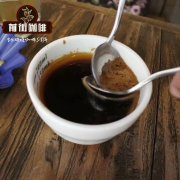
Coffee cup testing standard and process | Japanese SCAJ coffee cup testing process and scoring focus
The "cup test" can stably control the flavor test record of each cup of coffee, which is closer to the "professional" practice. The goal of taste control is to feel good for yourself. Match the preferences of the target customers in the store? Or is it to focus on popular taste? In fact, you just have to decide the direction of the taste according to your own ideas, and try to get close to that taste. Determining the taste.

Six steps to identify coffee
1. Fragrance: the first step in cup evaluation is to evaluate the aroma of coffee beans. Grind 10 grams of coffee, put it in 3-5 sample cups, and then breathe hard at the gas released by the freshly crushed coffee cells. The characteristics of the aroma indicate the essence of the taste of coffee beans: the sweet smell indicates that its taste is sour; the pungent smell indicates that its taste is irritating. The power of aroma
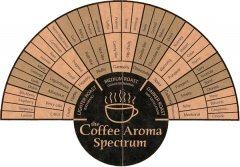
SCAA coffee cup testing process
1. Fragrance: the first step in cup evaluation is to evaluate the aroma of coffee beans. Grind 10 grams of coffee, put it in 3-5 sample cups, and then breathe hard at the gas released by the freshly crushed coffee cells. The characteristics of the aroma indicate the essence of the taste of coffee beans: the sweet smell indicates that its taste is sour; the pungent smell indicates that its taste is irritating. The power of aroma
Six steps of coffee cup evaluation
The six steps of coffee cup evaluation describe the aroma, aroma, taste, smell, aftertaste and mellowness of coffee. 1. Fragrance: the first step in cup evaluation is to evaluate the aroma of coffee beans. Grind 8.25 grams of coffee, put it in 3-5 sample cups, and then breathe hard at the gas released by the freshly crushed coffee cells. The characteristics of the aroma indicate the taste of coffee beans.
Six steps to taste coffee
There are six steps in coffee cup evaluation, describing the aroma, aroma, taste, smell, aftertaste and mellowness of coffee. 1. Fragrance: the first step in cup evaluation is to evaluate the aroma of coffee beans. Grind 10 grams of coffee, put it in 3-5 sample cups, and then breathe hard at the gas released by the freshly crushed coffee cells. The characteristics of the aroma indicate the essence of the taste of coffee beans:
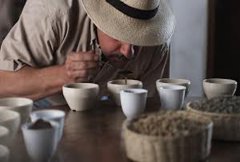
Coffee common sense SCAA coffee cup testing process
1. Fragrance: the first step in cup evaluation is to evaluate the aroma of coffee beans. Grind 10 grams of coffee, put it in 3-5 sample cups, and then breathe hard at the gas released by the freshly crushed coffee cells. The characteristics of the aroma indicate the essence of the taste of coffee beans: the sweet smell indicates that its taste is sour; the pungent smell indicates that its taste is irritating. The power of aroma

Six steps of coffee cup evaluation
There are six steps in coffee cup evaluation, describing the aroma, aroma, taste, smell, aftertaste and mellowness of coffee. 1. Fragrance: the first step in cup evaluation is to evaluate the aroma of coffee beans. Grind 10 grams of coffee, put it in 3-5 sample cups, and then breathe hard at the gas released by the freshly crushed coffee cells. The characteristics of the aroma indicate the essence of the taste of coffee beans:
Six Steps to Coffee Cup Evaluation
Coffee cup evaluation has six steps, describing coffee aroma, aroma, taste, smell, aftertaste and alcohol. Image: ab3a6c70gw1e5uo4ma2xzj20gj0a9gnf.jpg 1. Fragrance: The first step in cup evaluation is to evaluate the aroma of coffee beans. Grind 10 grams of coffee, place in 3 to 5 sample cups, and sniff vigorously the coffee released by the freshly ground coffee cells

Coffee tasting, coffee cup evaluation, six steps
There are six steps in coffee cup evaluation, describing the aroma, aroma, taste, smell, aftertaste and mellowness of coffee. 1. Fragrance: the first step in cup evaluation is to evaluate the aroma of coffee beans. Grind 10 grams of coffee, put it in 3-5 sample cups, and then breathe hard at the gas released by the freshly crushed coffee cells. The characteristics of the aroma indicate the essence of the taste of coffee beans:
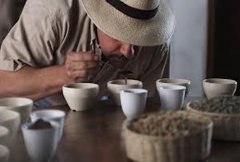
SCAA Coffee Cup testing process introduction to Fine Coffee
1. Fragrance: the first step in cup evaluation is to evaluate the aroma of coffee beans. Grind 10 grams of coffee, put it in 3-5 sample cups, and then breathe hard at the gas released by the freshly crushed coffee cells. The characteristics of the aroma indicate the essence of the taste of coffee beans: the sweet smell indicates that its taste is sour; the pungent smell indicates that its taste is irritating. The power of aroma
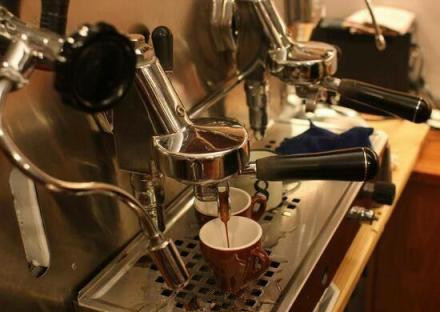
Six steps of coffee tasting General knowledge of fine coffee
Coffee tasting has six steps to describe the aroma, aroma, taste, smell, aftertaste and mellowness of coffee. 1. Fragrance: the first step in tasting is to evaluate the aroma of coffee beans. Grind 8.25 grams of coffee, put it in 3-5 sample cups, and then breathe hard at the gas released by the freshly crushed coffee cells. The characteristics of the aroma indicate the taste of coffee beans.

Coffee professional cup testing, learning and tasting high-quality coffee
1. Fragrance: the first step in cup evaluation is to evaluate the aroma of coffee beans. Grind 10 grams of coffee, put it in 3-5 sample cups, and then breathe hard at the gas released by the freshly crushed coffee cells. The characteristics of the aroma indicate the essence of the taste of coffee beans: the sweet smell indicates that its taste is sour; the pungent smell indicates that its taste is irritating. The power of aroma

SCAA coffee cup testing process Coffee Flavor Coffee aroma, aroma, taste and aftertaste introduction
1. Fragrance: the first step in cup evaluation is to evaluate the aroma of coffee beans. Grind 10 grams of coffee, put it in 3-5 sample cups, and then breathe hard at the gas released by the freshly crushed coffee cells. The characteristics of the aroma indicate the essence of the taste of coffee beans: the sweet smell indicates that its taste is sour; the pungent smell indicates that its taste is irritating. The power of aroma

What a good barista must have: how to taste a cup of coffee
There are six steps in coffee cup evaluation, describing the aroma, aroma, taste, smell, aftertaste and mellowness of coffee. 1. Fragrance: the first step in cup evaluation is to evaluate the aroma of coffee beans. Grind 10 grams of coffee, put it in 3-5 sample cups, and then breathe hard at the gas released by the freshly crushed coffee cells. The characteristics of the aroma indicate the essence of the taste of coffee beans: